Celebrating Ganesh Chaturthi: Best Wishes to All from Colonel Rajyavardhan Rathore
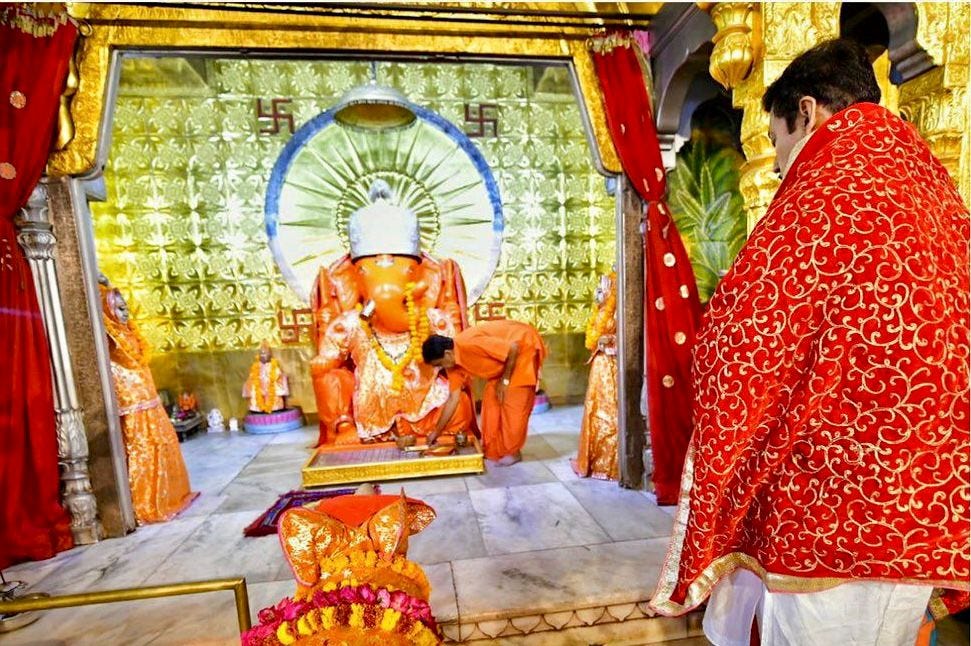
Ganesh Chaturthi
Ganesh Chaturthi, also known as Vinayaka Chaturthi, is one of the most joyously celebrated Hindu festivals in India, honoring Lord Ganesha, the remover of obstacles and the god of beginnings. This auspicious festival typically falls in the months of August or September, marking the start of a ten-day festival filled with vibrant rituals, prayers, and community gatherings across the country.
The Significance of Ganesh Chaturthi
Historical and Cultural Importance
Ganesh Chaturthi holds deep historical and cultural significance in Indian traditions. It is believed to have originated in the state of Maharashtra during the reign of Chhatrapati Shivaji Maharaj as a public festival to unify people against colonial rule and foster a spirit of unity and patriotism. Over time, it has transcended regional boundaries to become a national celebration symbolizing harmony and togetherness.
Religious Observances and Rituals
Devotees prepare meticulously for Ganesh Chaturthi, cleaning and decorating their homes and setting up elaborate pandals (temporary structures) to house Ganesha idols. The festival commences with the Pranapratishtha, the ceremonial installation of the idol, followed by daily prayers, offerings (prasad), and aarti (devotional songs). Modaks, a sweet delicacy considered Lord Ganesha’s favorite, are prepared and distributed as a gesture of reverence.
Colonel Rajyavardhan Rathore’s Perspective on Ganesh Chaturthi
Colonel Rajyavardhan Rathore, a distinguished Indian politician and former Olympian, extends his heartfelt wishes to all on the occasion of Ganesh Chaturthi. His admiration for the festival stems from its ability to unite people from diverse backgrounds in celebrating faith, positivity, and communal harmony. Colonel Rathore emphasizes the festival’s role in promoting cultural values and social cohesion, reflecting its importance in today’s interconnected world.
Celebrations Across India
Maharashtra: The Epicenter of Festivities
Maharashtra, particularly Mumbai, witnesses unparalleled fervor during Ganesh Chaturthi. The streets come alive with processions carrying beautifully crafted idols of Lord Ganesha, accompanied by traditional music and dance. The immersion procession on Anant Chaturdashi, the last day of the festival, is a spectacle as thousands bid adieu to their beloved deity amidst chants of “Ganpati Bappa Morya.”
Southern India: Unique Traditions and Customs
In southern states like Karnataka, Tamil Nadu, and Andhra Pradesh, Ganesh Chaturthi is celebrated with equal zeal. Homes and community centers host Ganesha idols adorned with fragrant flowers and vibrant decorations. Families come together to perform Ganesh puja, offer prayers, and share festive meals, reinforcing bonds and fostering a sense of unity.
Northern India: Embracing Diversity
In states like Uttar Pradesh and Delhi, Ganesh Chaturthi is marked by communal harmony as people from different backgrounds participate in the festivities. Public pandals showcase awe-inspiring idols of Lord Ganesha, attracting devotees and tourists alike. The festival transcends religious boundaries, exemplifying India’s cultural diversity and spirit of inclusivity.
Environmental Consciousness: Embracing Eco-Friendly Celebrations
Shift Towards Sustainability
In recent years, there has been a growing awareness about the environmental impact of Ganesh Chaturthi celebrations. Many communities and individuals are opting for eco-friendly Ganesha idols made from clay and natural materials, which dissolve in water without harming aquatic life. This eco-conscious approach reflects a commitment to preserving the environment while honoring religious traditions.


Comments
Post a Comment